
The Future
of Work
& Energy Intelligence
The future of work is adaptive, not standardized.
Future
◦
Work
◦
Energy
◦
Intelligence
◦
Future ◦ Work ◦ Energy ◦ Intelligence ◦

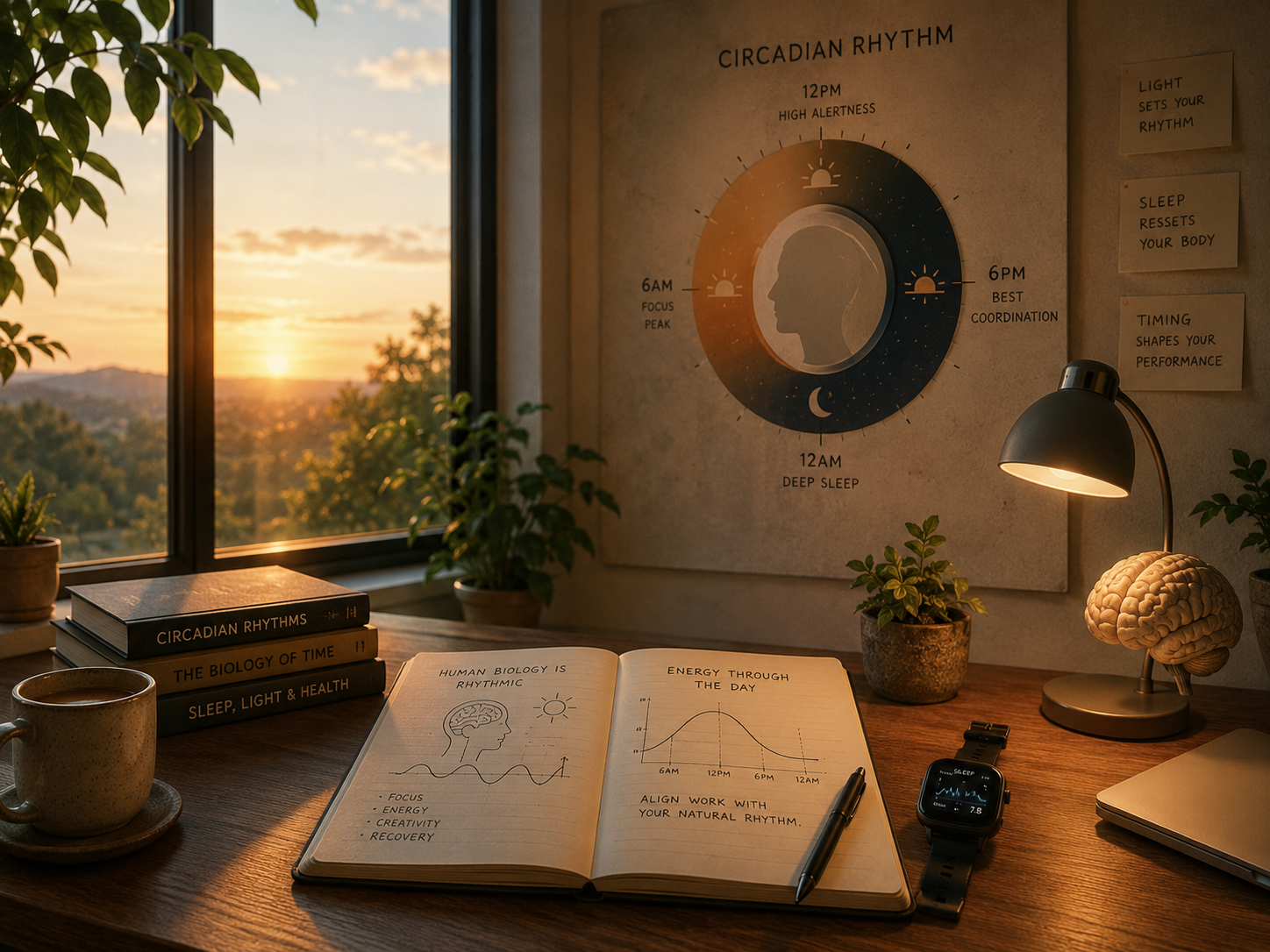
Circadian Rhythms and the Future of Work
The business case for chronotype-aware scheduling is gaining ground. This piece from the global business school accreditation body argues that allowing workers to align their schedules with their biology leads to better performance and a competitive edge in talent retention.

Chronotype-Aligned Sleep and Productivity
When morning types sleep earlier and evening types wake later on workdays, both groups report significantly better productivity. This study provides direct evidence that aligning sleep timing to your chronotype improves work output.
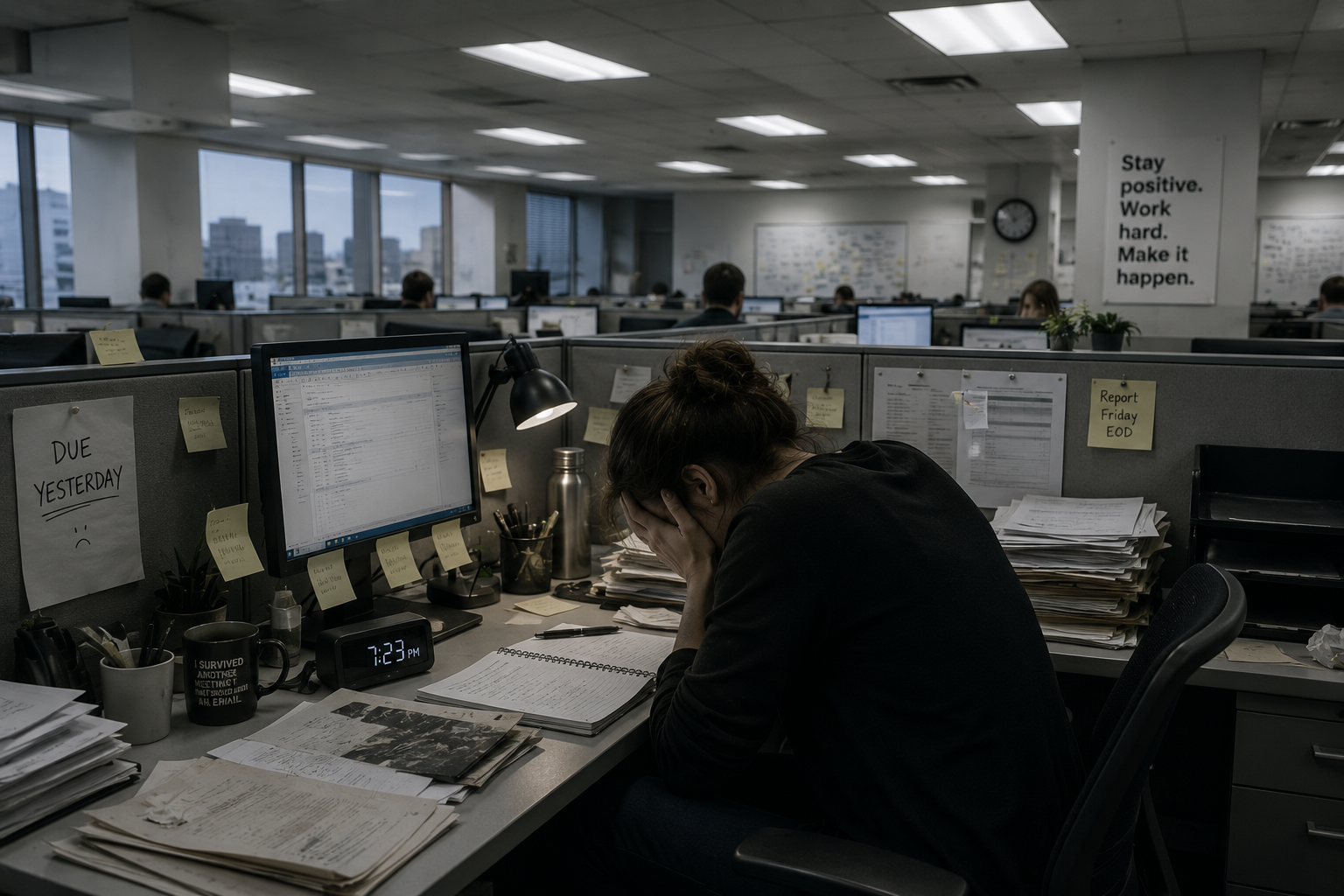
Cognitive Strain Is the New Burnout
Cognitive strain and decision friction have surpassed workload volume as the leading indicators of burnout. This article draws on Deloitte and Microsoft data to argue that organizations must reduce cognitive load by creating clearer rhythms of work.
Join the Movement
It’s about doing the right work at the right time.