
Restore — for work life.
Burnout is a P&L problem, not a wellness problem.
For a 1,000-person company, burnout translates to roughly $5 million in annual losses. Most organizations are investing in mental health — but not addressing how the workday is structured.
2/3
full-time workers experience burnout on the job
63%
more likely to take a sick day when you’re burned out
$10T
is the global cost of low engagement
(9% of GDP)
60%
of organizations focus on efficiency
— a 3-year low
Created because our founder saw a need.
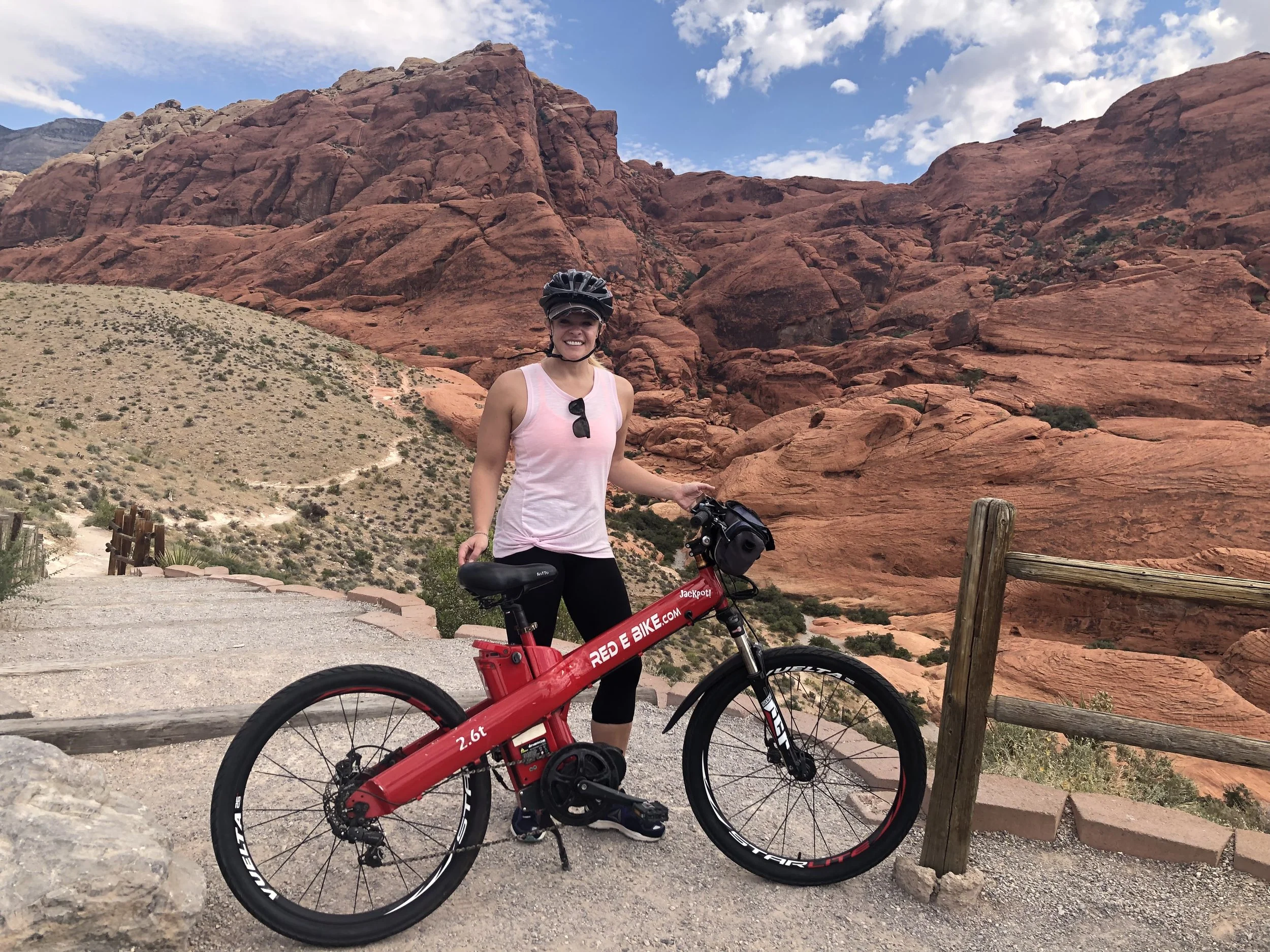
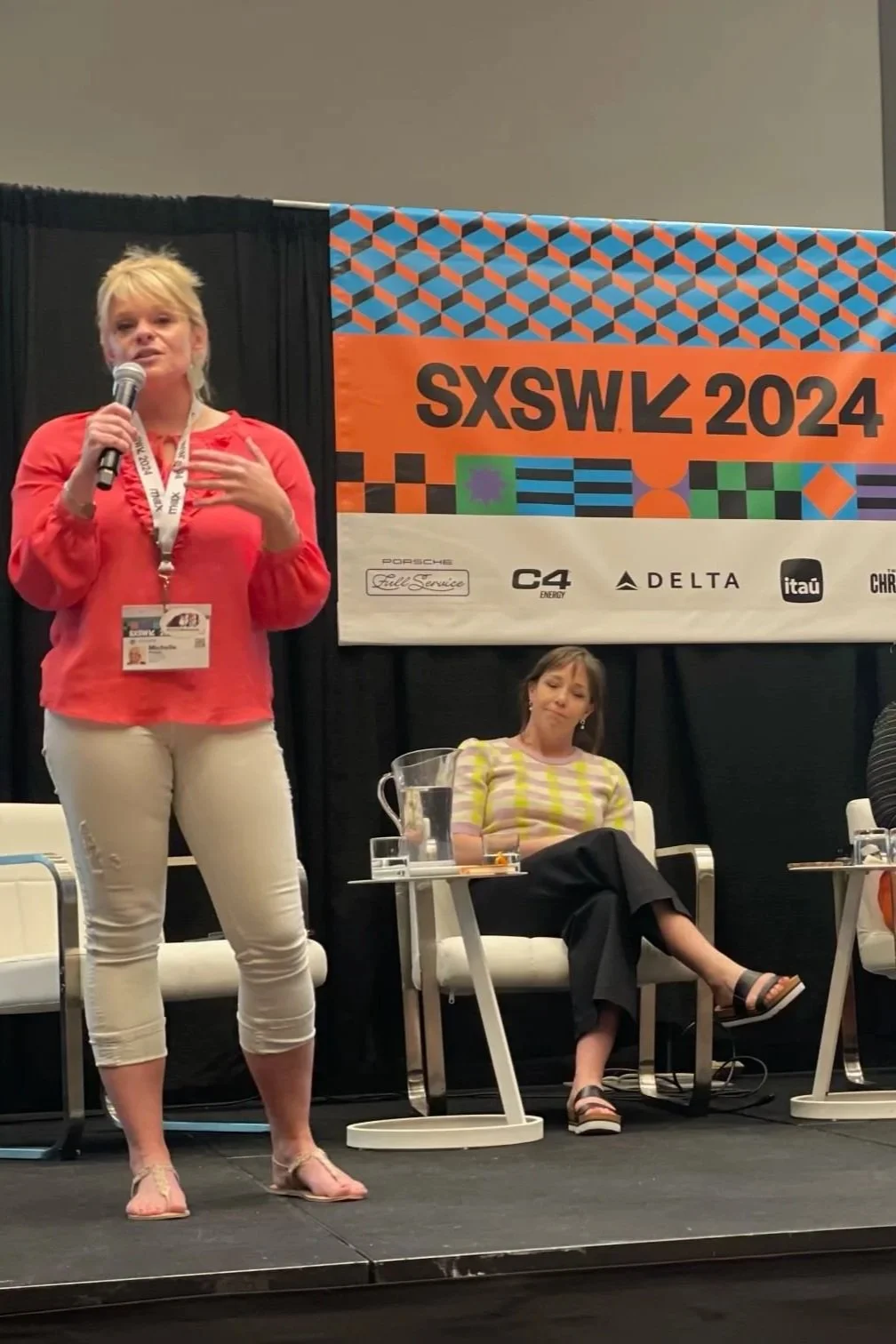
Michelle Risinger is an award-winning entrepreneur, behavioral designer, and expert in human performance. A former Division I athlete, member of the Scottish National Water Polo Team, and National Academy of Sports Medicine certified wellness coach, Michelle has spent her life studying what enables humans to perform at their best. Her career has taken her from humanitarian assignments with the American Red Cross in Iraq and Afghanistan to serving as Director of Innovation at a global nonprofit and later founding Rising Solutions, an innovation strategy firm.
Across every role and experience, she observed the same challenge: organizations expect people to perform at a consistently high level while ignoring the biological realities of energy, recovery, and cognitive performance. The result is burnout not just for individuals, but for teams and entire organizations.
Restore is the culmination of Michelle's work at the intersection of elite athletics, human-centered design, leadership psychology, and coaching. Drawing on decades of research, she created Restore to help people do the right work at the right time building a healthier, more sustainable future of work.



Restore draws on chronobiology, neuroscience, and organizational psychology from institutions including Ludwig Maximilian University Munich, Yale School of Medicine, UC Berkeley, and the University of Michigan.
Built for Life
Backed by Science
"Circadian rhythms act directly on human cognition and indirectly through their fundamental influence on sleep/wake cycles."
"Stress hormones rapidly impair prefrontal cortex function — responsible for executive thinking, judgment, and focus — even with brief, repeated cognitive overload."
"Burnout is not a problem of the individual — it is a problem of the social environment. When the workplace does not recognize the human side of work, the risk of burnout grows."