

Circadian Science & Human Performance
Human biology was never designed for constant output.
Circadian
◦
Science
◦
Human
◦
Performance
◦
Circadian ◦ Science ◦ Human ◦ Performance ◦

Chronotype and Brain Function
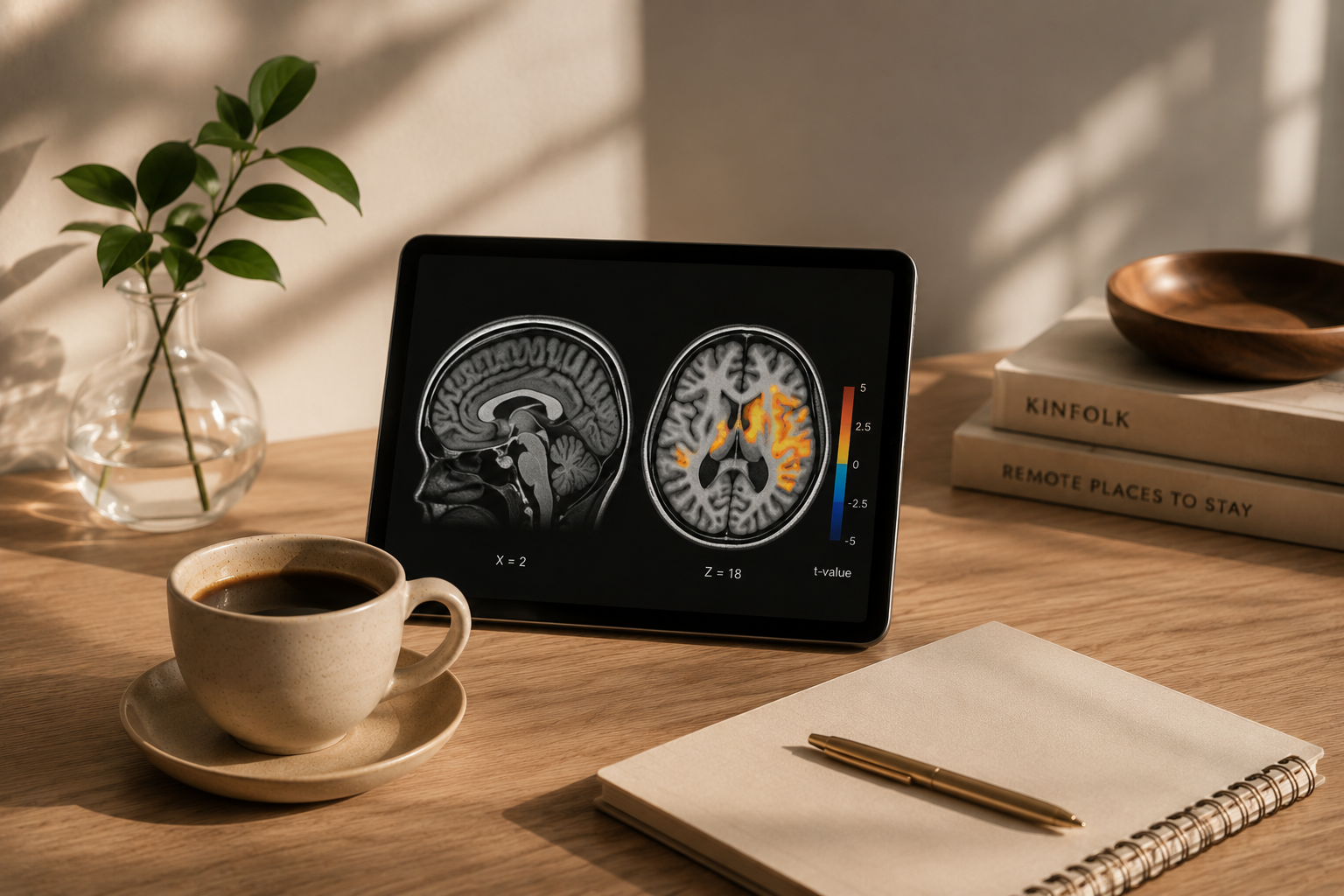
Your chronotype isn't a preference — it's wired into your brain. Researchers found that morning and evening types show measurable differences in cortical excitability, neuroplasticity, and working memory, confirming that biological timing shapes how we think.
Circadian Rhythms in Cognitive Performance
Attention, memory, and executive function all follow predictable circadian rhythms. This review establishes that cognitive performance rises and falls throughout the day on a biological schedule — and that the timing of those peaks varies by individual.
Sleep Deprivation and Decision-Making
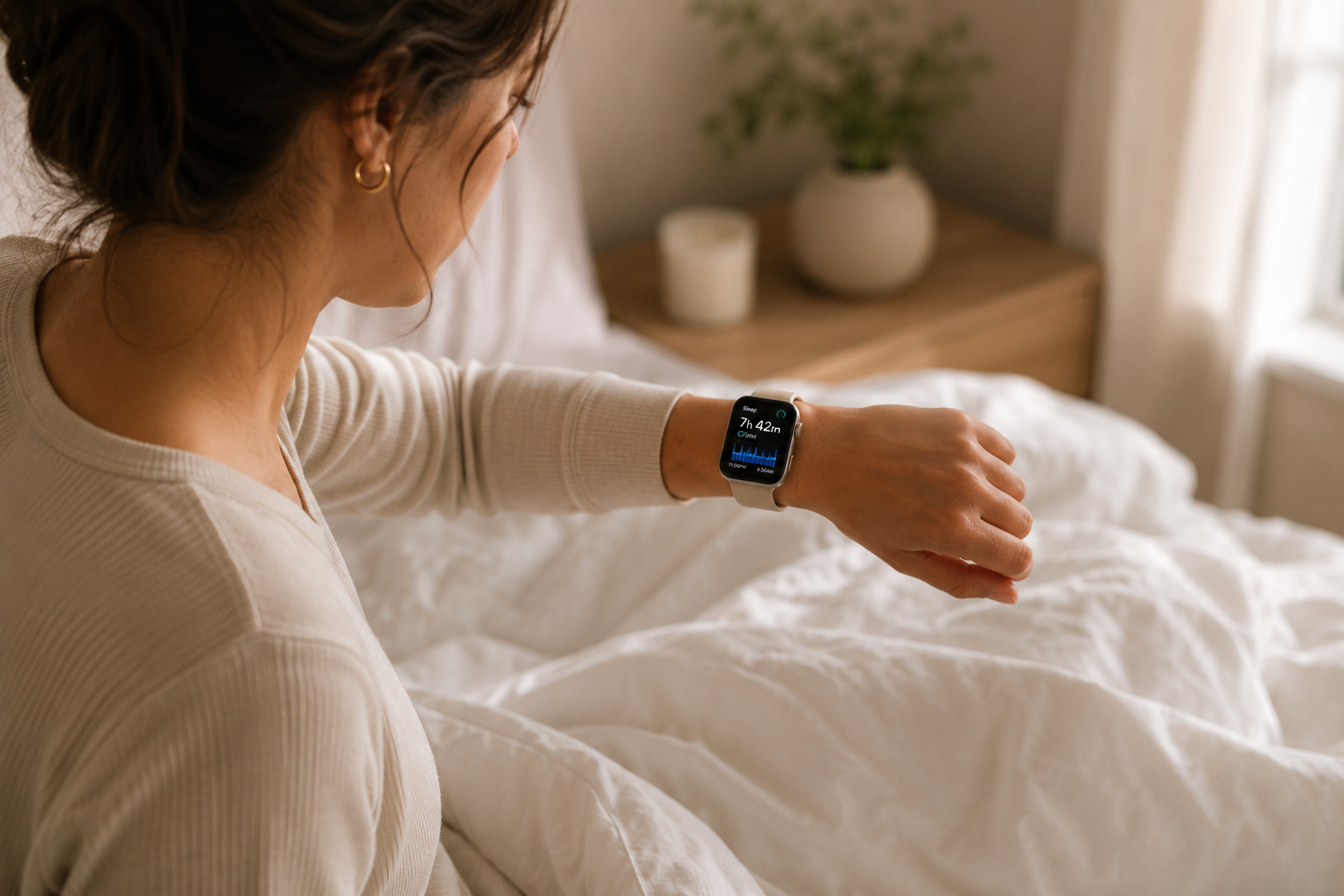
When sleep suffers, decisions suffer. This scoping review found that sleep-deprived individuals consistently make riskier choices and struggle to evaluate consequences — directly connecting poor recovery to degraded cognitive output.
Join the Movement
It’s about knowing when to work and when to recover.